




If your boiler keeps losing pressure, it’s more than just an inconvenience, it can be a sign of an underlying issue such as a water leak that needs prompt attention. As experts in boiler repair services, we understand the stress homeowners feel when heating and hot water become unreliable. Loss of pressure can lead to inefficient heating, increased energy bills, and even boiler breakdowns if left unresolved.
Quick Answer: A boiler losing pressure is often caused by a water leak in the heating system, faulty valves, or trapped air. Check your system for visible leaks and, if unsure, contact a qualified Gas Safe engineer for expert diagnosis and repair.
Understanding Boiler Pressure and Why It Matters
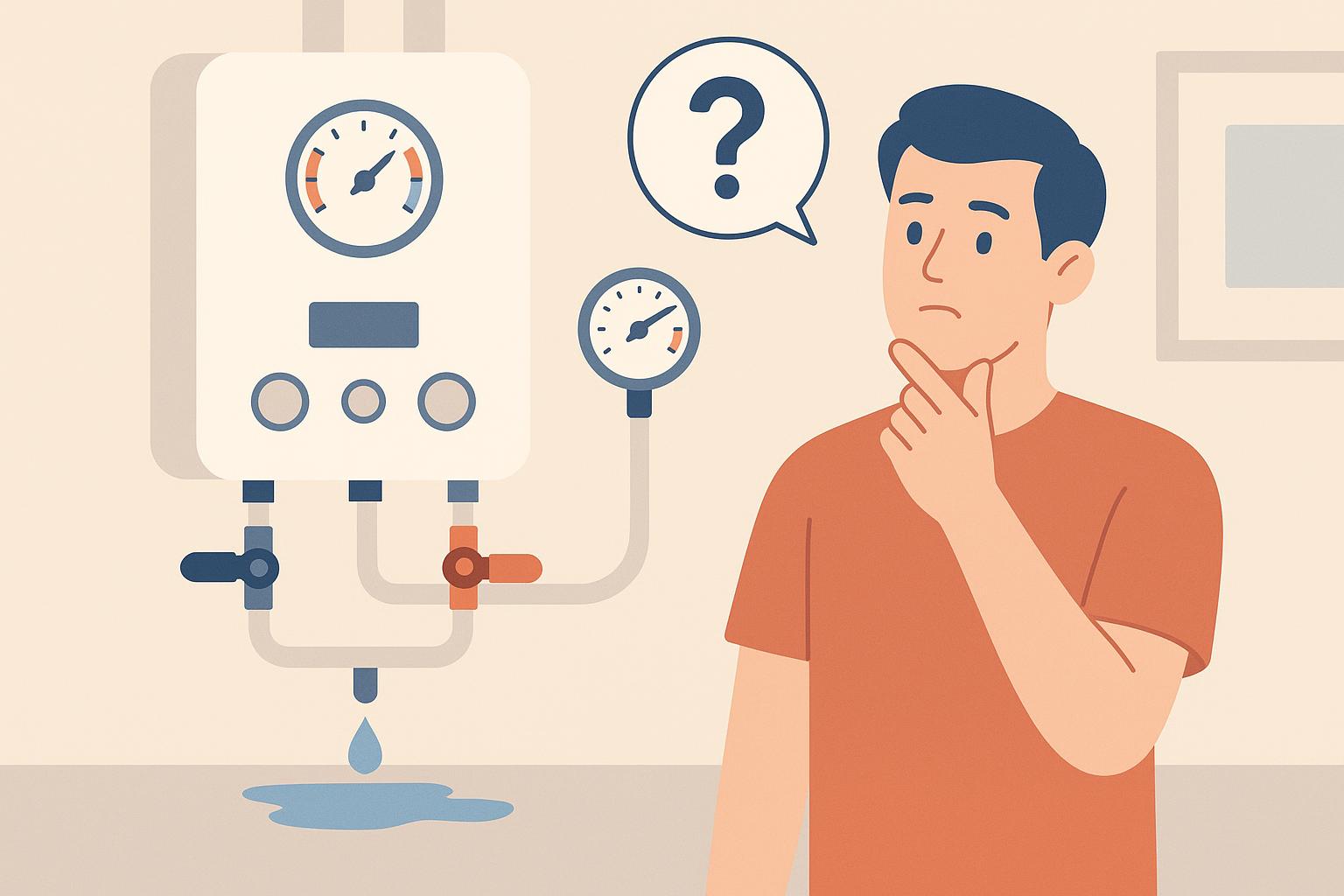
Boiler pressure plays a vital role in ensuring your heating system works efficiently. It helps circulate hot water through pipes and radiators, keeping your home warm and comfortable. When your boiler pressure drops too low, it can prevent hot water from flowing properly, leaving you with cold radiators or no heating at all.
The ideal boiler pressure is usually between 1 and 2 bars when the system is cold. Anything significantly below that suggests your system could have a problem, most likely a small but persistent leak.
Why Is Your Boiler Losing Pressure?
There are several reasons a boiler might lose pressure. The most common is a slow water leak somewhere in the system. This could be from a radiator valve, a corroded pipe joint, or even inside the boiler itself. Even a tiny continuous drip can cause a noticeable pressure drop over time.
Other potential issues include:
- Faulty pressure relief valves releasing water unintentionally
- Air trapped inside radiators or pipework
- Expansion vessel problems inside the boiler
If your boiler is losing pressure due to a water leak, the key is identifying the leak before it worsens. Persistent leaks can corrode metalwork, damage flooring, and reduce your boiler’s lifespan.
How to Detect a Water Leak in Your Heating System
Water leak detection doesn’t always require specialist tools—it often starts with simple observation. Begin by visually inspecting all accessible parts of your heating system.
1. Check Around the Boiler
Examine the area around your boiler for damp patches, corrosion marks, or small puddles. Even minor dripping can indicate an internal issue that requires professional attention.
2. Inspect Radiators and Valves
Run your hands (carefully) along the base and sides of your radiators. Look for any moisture around the valve connections. A small amount of rust or residue is often a giveaway sign of a leak.
3. Examine Exposed Pipes
Follow your exposed pipework and check for any dampness, greenish discoloration, or corrosion around joints and fittings. These are common leak points, especially in older systems.
4. Monitor Your Pressure Gauge
Take note of your boiler pressure gauge readings daily. If the pressure drops steadily without you bleeding the radiators, it’s very likely that water is escaping somewhere in the system.
When to Call a Gas Safe Engineer
While homeowners can handle basic checks, it’s essential that any internal repairs or gas-related work be completed by a Gas Safe registered engineer. Attempting these repairs yourself is not only unsafe but also voids most manufacturer warranties.
A professional engineer will use specialist equipment to locate hidden leaks, test components, and ensure your system is operating safely. They can also repressurise your boiler correctly and test the expansion vessel to prevent repeat issues.
Could Plumbing Issues Be the Cause?
Sometimes, what appears to be a boiler problem can actually stem from your home’s plumbing network. For example, older or poorly connected pipework may leak intermittently, causing drops in system pressure that seem random. Our experienced plumbing team can inspect your full water system to make sure everything is watertight.
Common Pressure Drop Scenarios
Let’s look at some typical situations where homeowners may notice pressure loss:
- After bleeding radiators: Bleeding releases trapped air but can also reduce water volume, temporarily lowering pressure
- After a cold spell: Freezing temperatures can cause pipes to crack or joints to loosen, leading to leaks
- Internal component wear: Over time, seals inside your boiler can degrade, allowing water to escape slowly
Each of these can be checked and fixed by trained professionals experienced in resolving boiler breakdowns quickly and safely.
Preventing Future Pressure Loss
Proactive maintenance is the key to keeping your boiler running efficiently year after year. Schedule annual servicing with a qualified engineer, and make sure to monitor your pressure gauge regularly. Early detection of changes prevents larger, more expensive problems later.
You can also protect your heating system by installing magnetic filters to capture debris, ensuring radiators are balanced properly, and checking valves are secure after any work.
Final Thoughts: Act Quickly to Avoid Bigger Problems
Ignoring a boiler that’s consistently losing pressure will only lead to more costly damage. Whether the issue stems from a simple valve fault or a hidden pipe leak, swift action can save you time and money in the long run.
If you suspect your boiler is losing pressure due to a water leak, don’t wait until the problem worsens. Contact our team of Gas Safe professionals for fast diagnosis and reliable repairs.
Get expert boiler advice today and restore your home’s heating performance with trusted local engineers.